
Endolysins
The cutting mechanism taken from nature
What are endolysins?
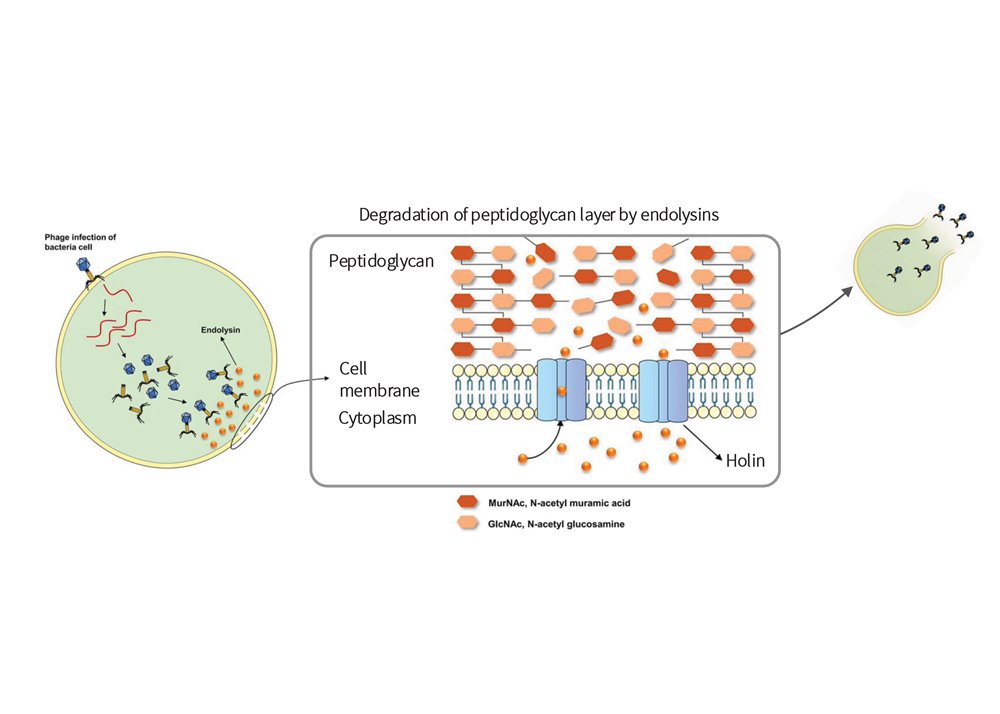
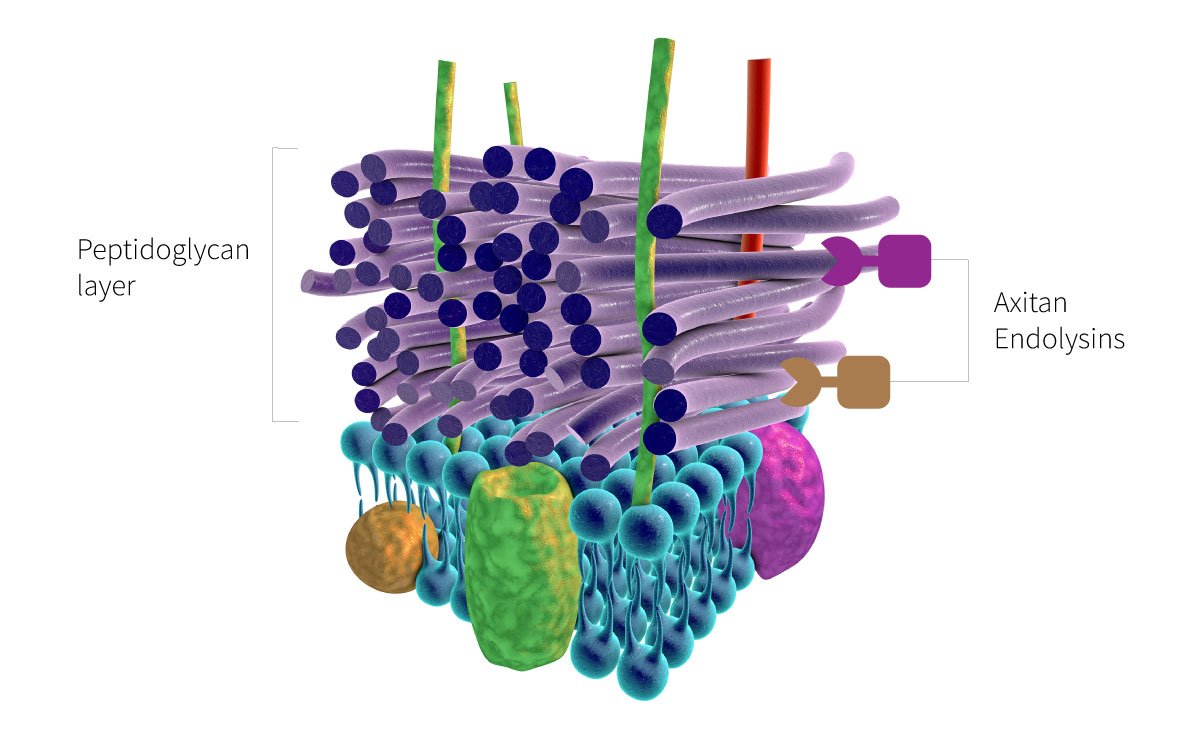
Endolysins are single function enzymes originally used by viruses to cut through cell-walls of infected cells so that a virus’s progeny can be released.
How we use them
Axitan has pioneered the discovery, development, production and formulation of unique endolysins to target and kill pathogenic bacteria.
How they work
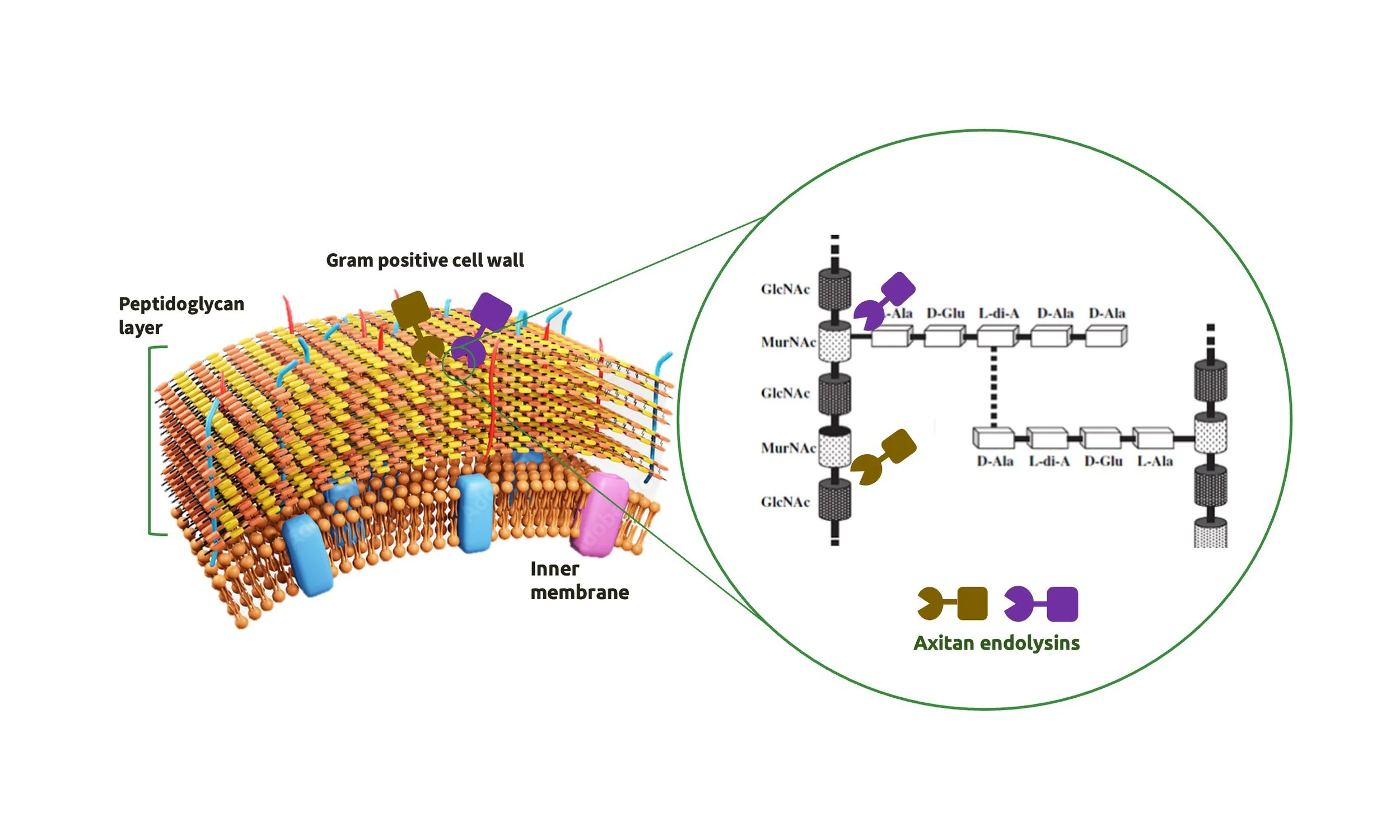
a binding domain that enables the endolysin to attach to the cell-wall only of its intended target
a catalytic domain that cuts bonds within the cell wall causing the cell to burst and safely disintegrate

Why better than antibiotics
Are not broad spectrum – our endolysin-based products only target their intended pathogenic bacteria leaving good bacteria alone.
Do not trigger antimicrobial resistance.
Can be easily formulated with other beneficial components to improve productivity.
Fully withstand commercial processes and production models.
Do not require on-farm process changes to incorporate into production models.
Why better than phage
Easier to manufacture.
Easier to handle – do not require a cold chain.
Quicker working.
Do not induce antimicrobial resistance - phage do.
Have a direct mode of action – phage are strain specific.
Can be delivered in dry feed, gel and water formats – phage cannot.
Do not require process changes to deploy.
Targets that matter
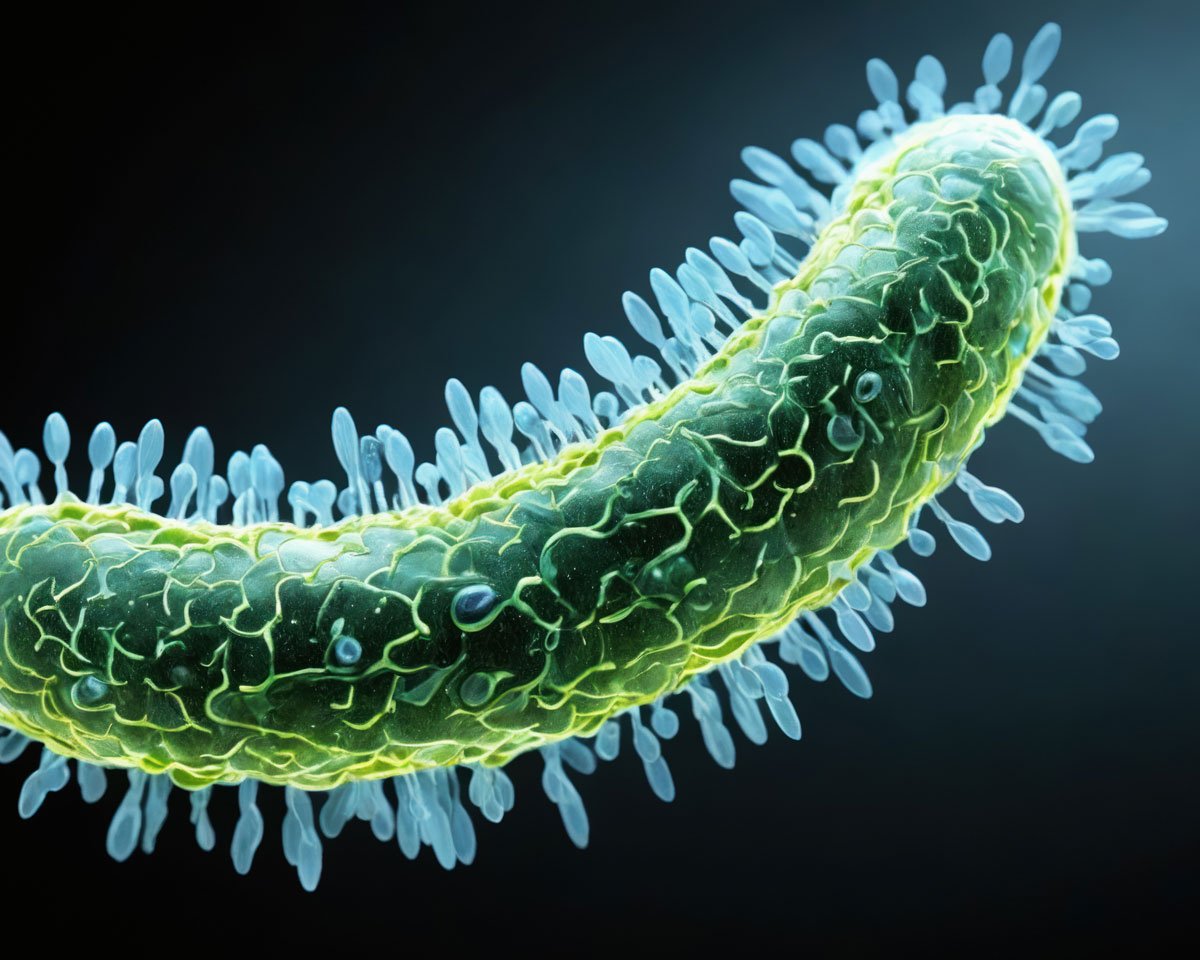
The key bacteria impacting the animal protein industry today include:
Clostridium perfringens
Clostridium septicum
Escherichia coli
Salmonella
Enterococcus cecorum
We are proud to be harnessing our Endolysin Technology Platform to create the next generation of antibiotic-free solutions for tackling these pathogens across species.